In reporting published on November 13, 2026, bitcoin was down 7% over 24 hours, trading at $68,408 as of 12:10 a.m. ET that Friday. That was its lowest level since August 20, according to The Block’s price data. Ether fell 6% to $1,921, BNB lost 6.3%, and XRP declined 3.5%.
The sell-off coincided with heavy liquidations. CoinGlass data cited in the report put 24-hour crypto liquidations at $1.47 billion across 175,299 traders, including $1.31 billion in long positions. Of that total, $798 million occurred in the preceding four hours, including $718.5 million in longs.
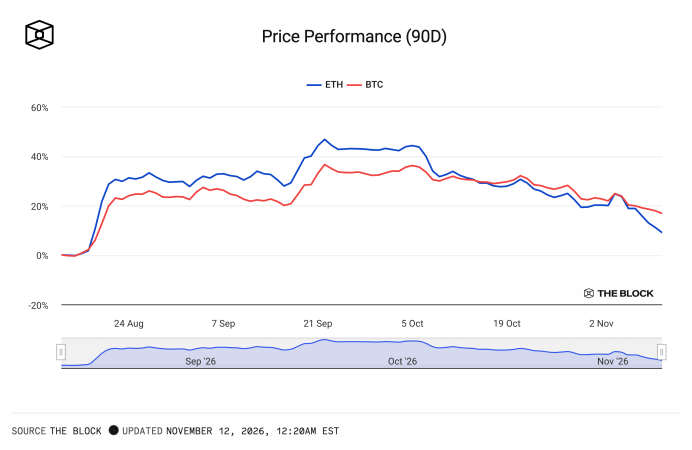
Rick Maeda, head of markets at Laevitas, described the sharp move as a leverage event. He said bitcoin had already fallen below $72,000 during the U.S. session; after it broke $70,000 in late-morning Asian trading, long positions clustered beneath that level were forced out quickly. That is his explanation of the move, not proof that any single event caused it.
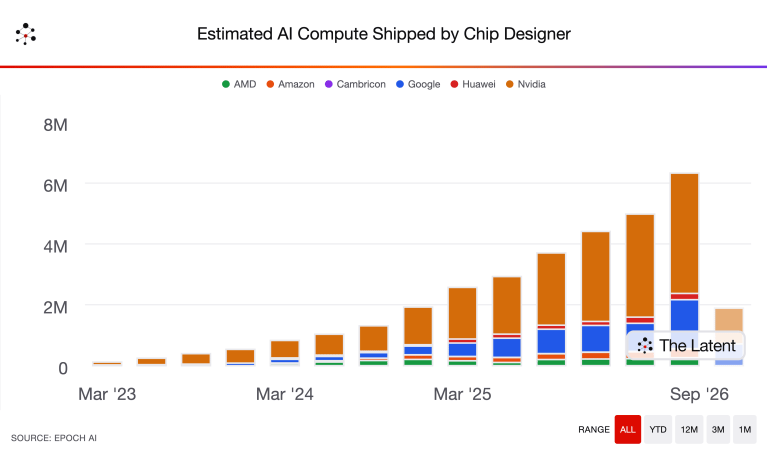
Analysts also pointed to broader risk concerns. The Block reported that Nvidia cofounder Jensen Huang had resigned as CEO on Thursday after the company began investigating his alleged relationship with a suspected Chinese spy. It also cited separate reports alleging relationships with two Nvidia employees. Those allegations were not established in the supplied reporting. Maeda said traders attempting to catch a reversal from Nvidia-related risk aversion, alongside thin bids after that week’s CPI release, had contributed to liquidations.
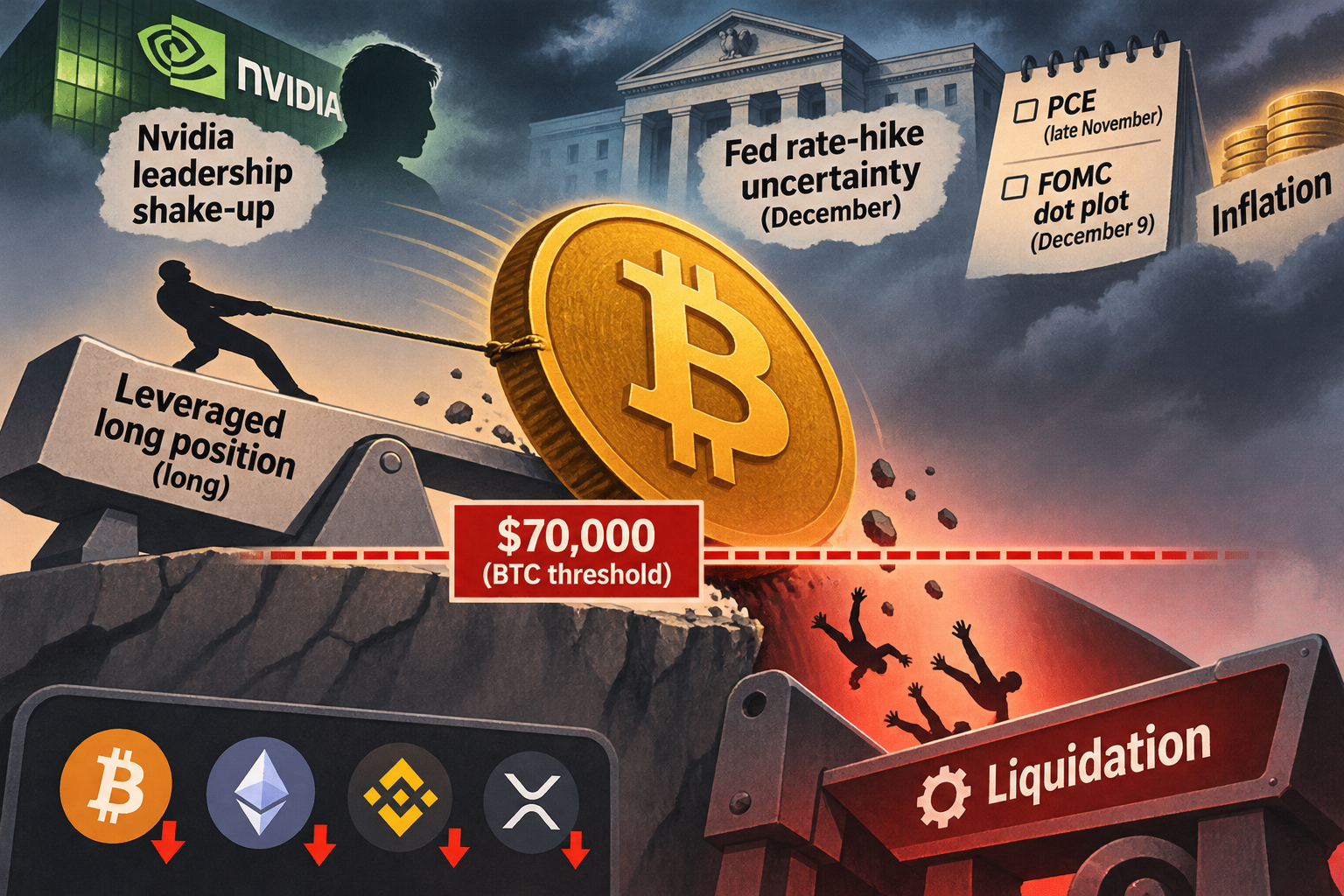
The interest-rate risk remained a question, not an announced Fed decision. BTSE COO Jeff Mei said traders were weighing a possible December rate increase. He said a 50-basis-point hike, rather than the 25-basis-point increase he described as expected, could leave cryptocurrencies with further room to fall. ViaBTC chief analyst Jeff Ko offered a different longer-term view: persistent inflation might strengthen bitcoin’s appeal as an inflation hedge. Ko said markets would watch late-November PCE data and the December 9 FOMC dot plot.