As reported on November 11, 2026, some large Bitcoin holders were converting directly held BTC into shares of BlackRock’s IBIT through in-kind transactions. BlackRock digital-assets head Robbie Mitchnick said security and peace of mind were the main reasons clients gave for making the switch. The account described a change in how some holders manage risk—not evidence of a Bitcoin price move or a broader market cycle shift.
Security concerns behind the shift
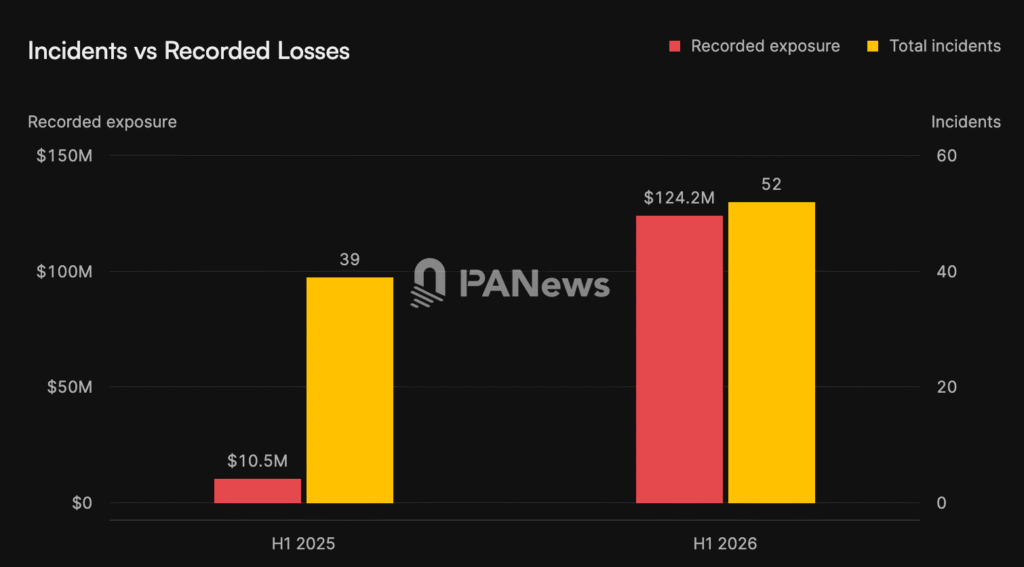
The risks discussed in the report extend beyond compromised passwords. According to CertiK, 52 violent attacks targeting crypto holders were recorded worldwide in the first half of 2026, up 33.3% year over year. CertiK put the recorded funds exposed in those cases at about $124.1 million, versus $10.5 million a year earlier. France accounted for 33 of the 52 cases.
The November report also described hardware-wallet supply-chain concerns and major security incidents involving exchanges. It said an earlier key-generation flaw at Coldcard was linked to losses exceeding $100 million in August 2026, and estimated losses connected to devices sold through Ledger distributor CryptoBilis at up to $93 million after unauthorized hardware implants were discovered in October. Trezor, it said, had confirmed suspected similar tampering in devices sold through CryptoBilis. These reported incidents illustrate different risks; they do not establish that any one custody method is uniformly unsafe.
What an ETF changes—and what it does not
Mitchnick said BlackRock had recorded approximately $3.6 billion in conversions from directly held Bitcoin into IBIT shares since regulators approved in-kind creations and redemptions in 2025. He said the actual amount could be higher because BlackRock does not handle or see every conversion. The reported minimum for an IBIT in-kind conversion had fallen from roughly $30 million to about $1 million–$2 million.
The appeal is a different custody arrangement. Analyst PlanB said he moved his Bitcoin into an ETF in 2025 and valued being able to manage the holding alongside stocks and bonds without personally safeguarding private keys. Bitwise chief investment officer Matt Hougan argued that ETF custody can add safeguards for long-term holders, while noting a consequential limit: investors in ETF shares cannot immediately withdraw and transfer the underlying Bitcoin.
That trade-off remains contested. Self-custody advocates argue that relying on financial institutions gives up direct control and may reintroduce risks such as asset freezes. Others worry about concentration among ETF custodians: the November report cited Coinbase disclosures indicating it held about 90% of the Bitcoin ETF custody market. OneKey founder Yishi warned that concentrating Bitcoin with a custodian could create a substantial target; Coinbase, for its part, described cold storage, separated client assets and controls on signing and transfers.
The shift into IBIT therefore reflects a custody choice, not an end to custody risk. Institutional arrangements may reduce the burden of protecting keys personally, but they introduce dependence on custodians and limit holders’ direct control over their BTC.