
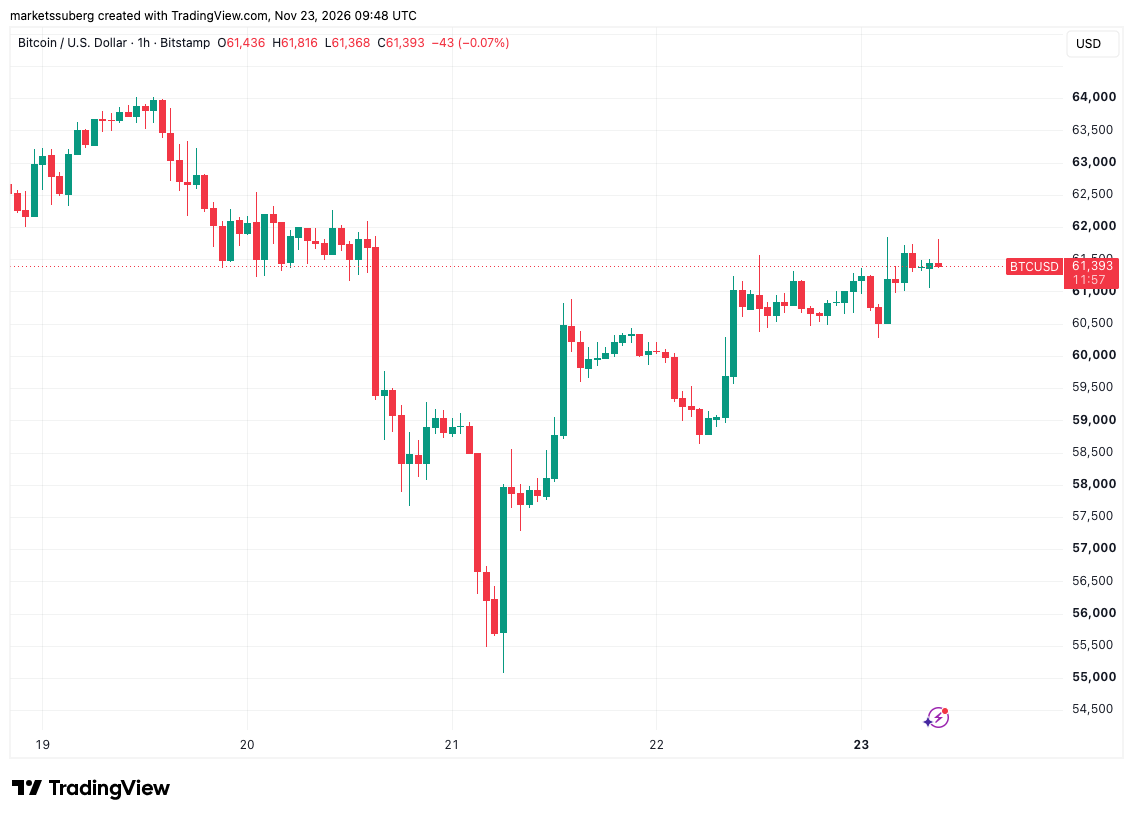
Bitcoin reached $61,846 on Monday, November 23, 2026, up 12.3% from Saturday’s $55,081 low. The rebound came alongside gains in US stock futures, but followed Bitcoin’s seventh consecutive weekly decline.
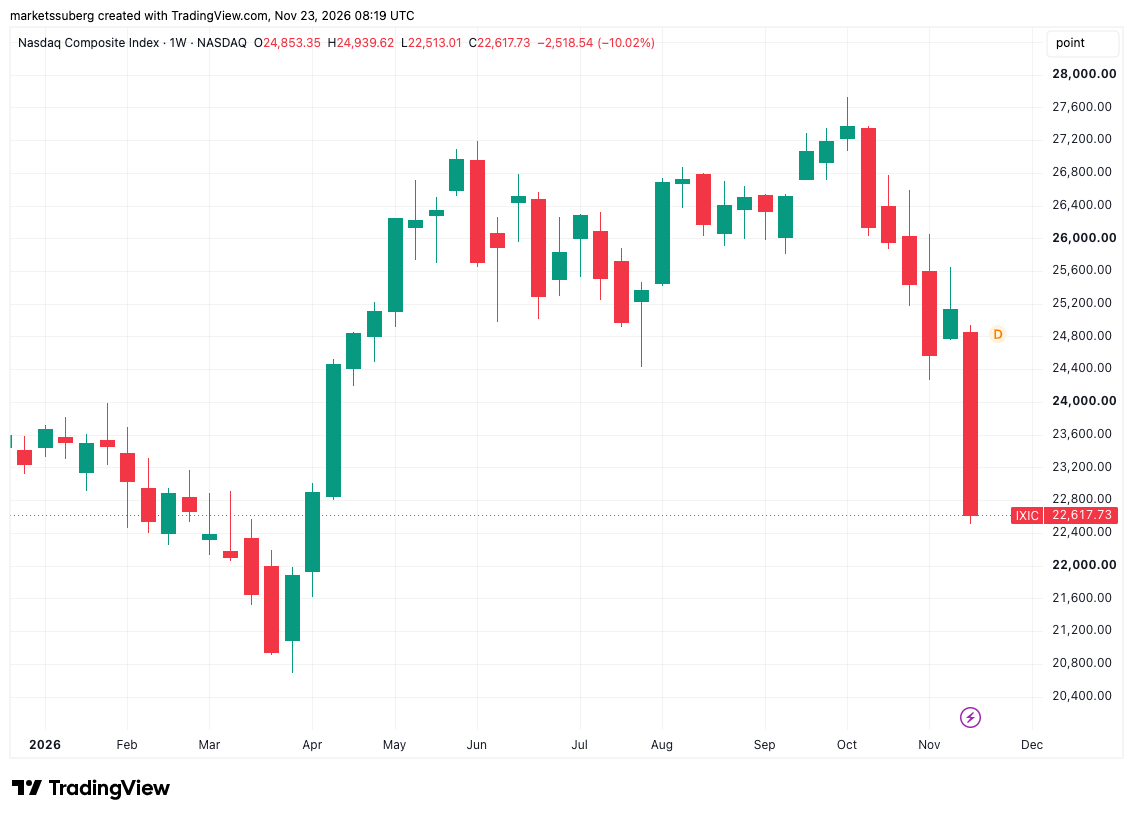
Stock futures reverse after the sell-off
Ahead of Monday’s US open, Nasdaq-100 futures rose 3.1% and S&P 500 futures gained 2.4%. The moves followed a Friday sell-off that left both the S&P 500 and Dow Jones Industrial Average more than 10% below their recent closing highs. The Nasdaq Composite fell 5.3% to 22,617.73, erasing its gains for the year.
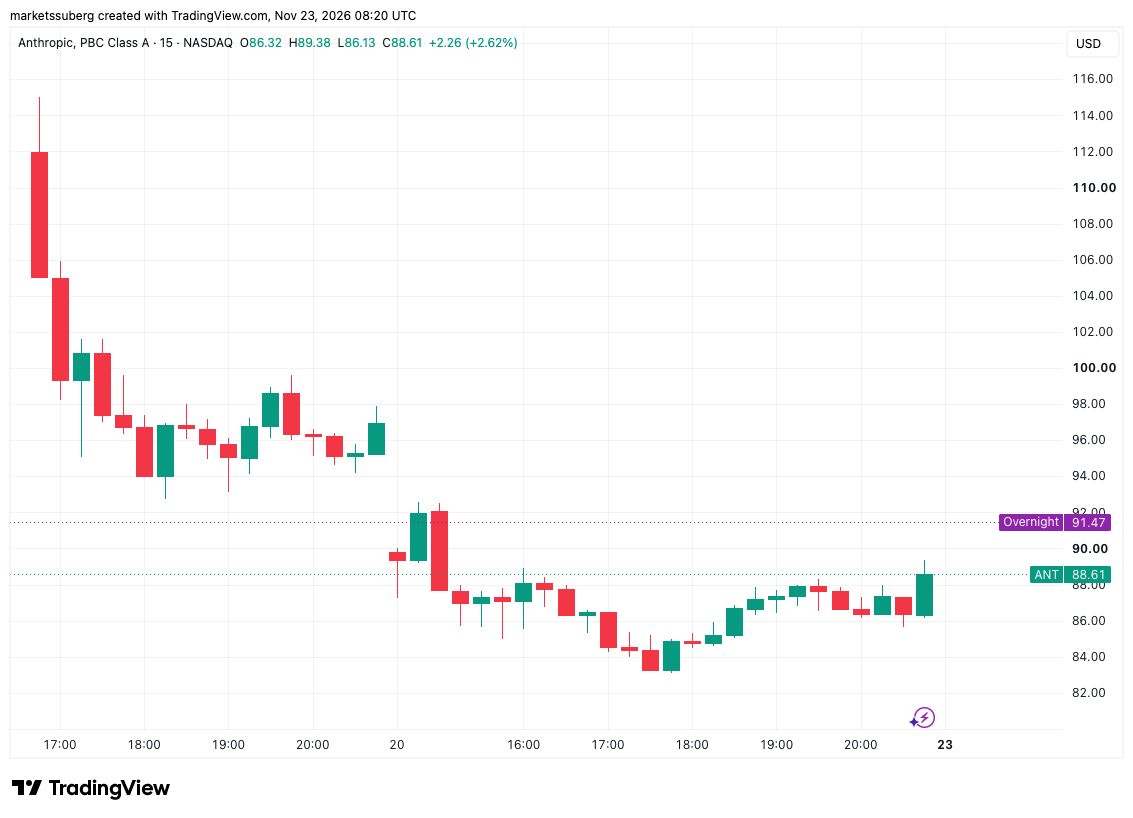
The sell-off followed Anthropic’s $81.3 billion IPO. Its shares reached $115 in Thursday’s Nasdaq debut before closing Friday at $88.91. Economist Mohamed El-Erian said investors had sold existing holdings to make room for Anthropic shares; he also cited uncertainty at Nvidia and Federal Reserve officials’ calls for higher interest rates. Those are his explanations for the stock-market pressure, not established causes of Bitcoin’s rebound.
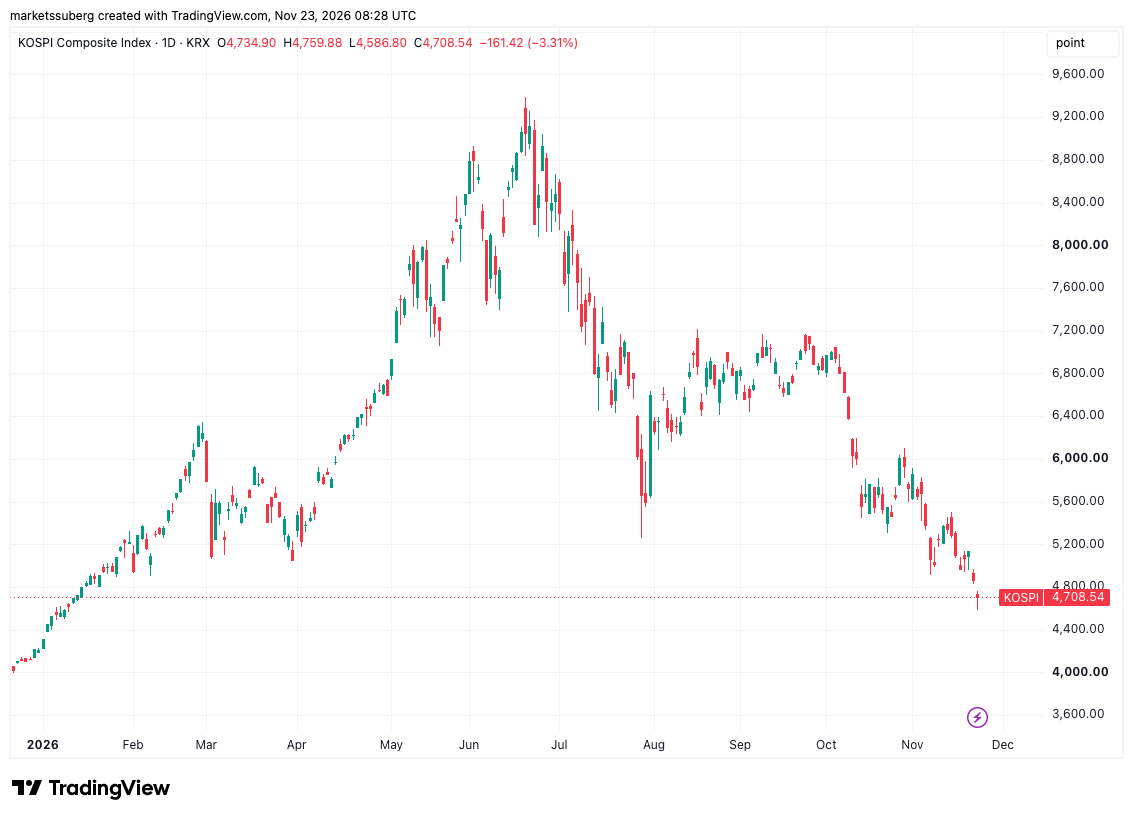
Weakness persisted in Asia: South Korea’s KOSPI fell 3.3% on Monday to 4,708, its lowest close since mid-January.
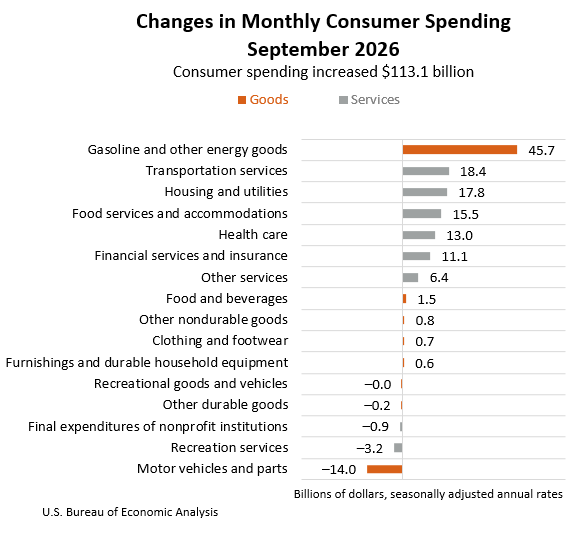
Inflation data could change rate expectations
The US Bureau of Economic Analysis was due to release October’s personal consumption expenditures price index on Wednesday. Economists expected monthly inflation of 0.3%, down from 0.5% in September, but expected the annual rate to rise to 3.8% from 3.6%.
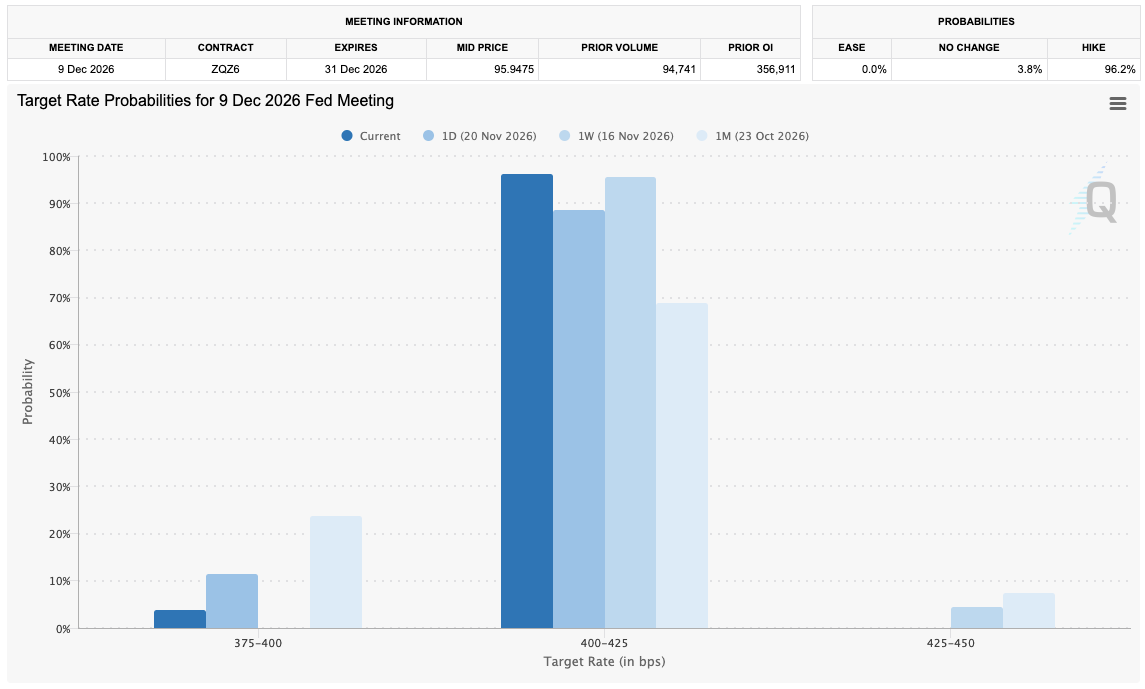
Fed Governor Christopher Waller said the previous week that policymakers should raise rates by half a percentage point in December or make clear that another increase was intended for January. CME Group FedWatch data, meanwhile, showed markets expecting a 25-basis-point December increase. A reading that differed from expectations could shift those odds. US stock markets were set to close Thursday for Thanksgiving and hold a shortened Friday session.
A sharp bounce, with the weekly decline intact
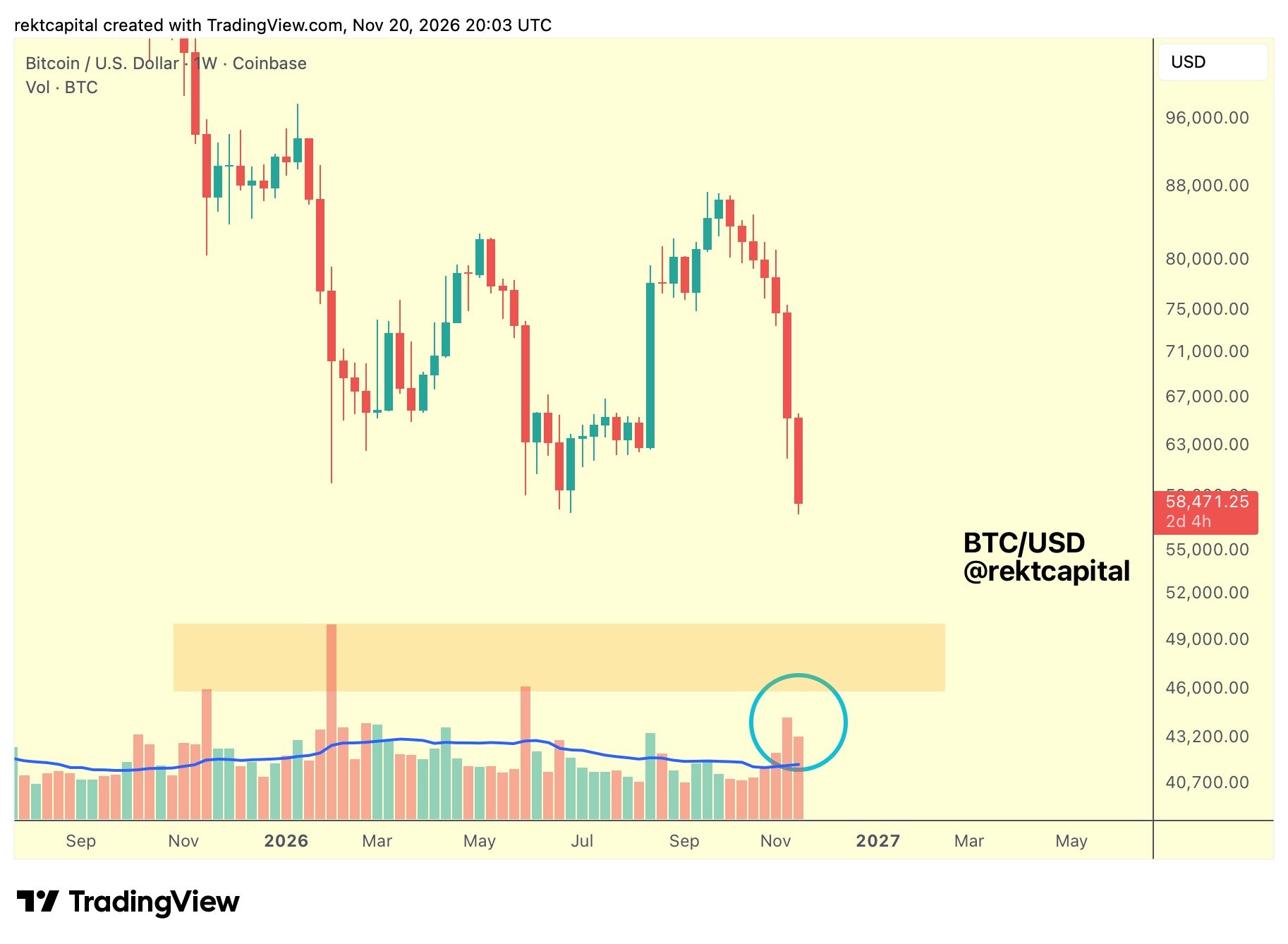
Bitcoin’s Saturday low was its lowest price since September 2024. It recovered to close Sunday above $61,000, yet still recorded a seventh straight lower weekly close—the first such run since the 2022 bear market. CoinGlass data put crypto long liquidations at $3.75 billion. TradingView data showed weekend volatility amid thinner order books outside traditional-market trading hours.
Trader and analyst Rekt Capital noted that sell-side volume was lower than at earlier 2026 swing lows and said traders had not shown complete “capitulation.” Analyst and podcast host Michael Van de Poppe compared the conditions with sell-offs in late 2015, March 2020 and November 2022, when he said Bitcoin rallied 15%–30% in subsequent weeks. He identified $66,000–$75,000 as resistance for the current rebound. Those earlier episodes offer comparisons, not a forecast of the same outcome.
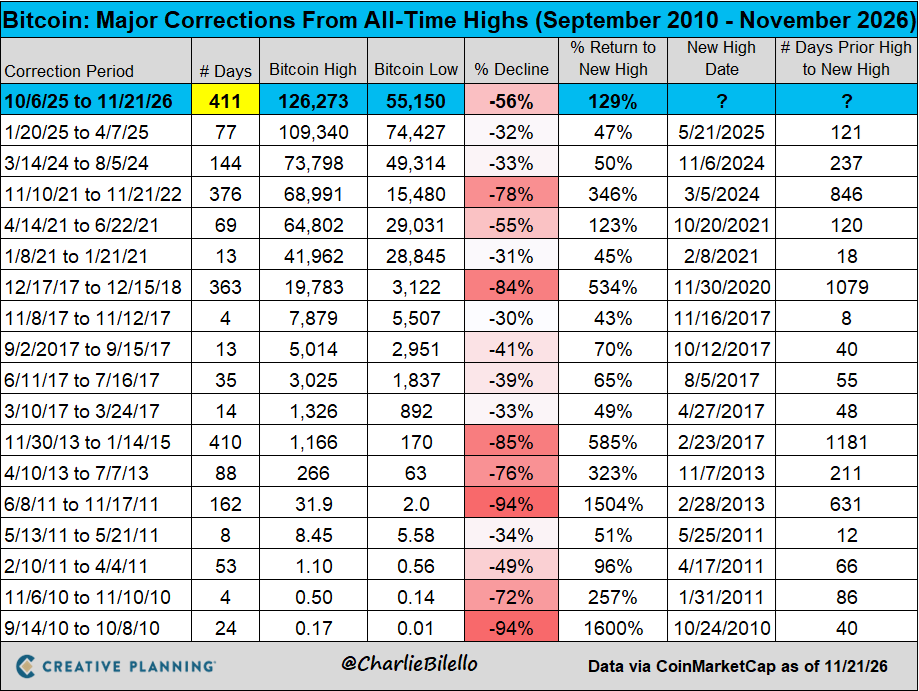
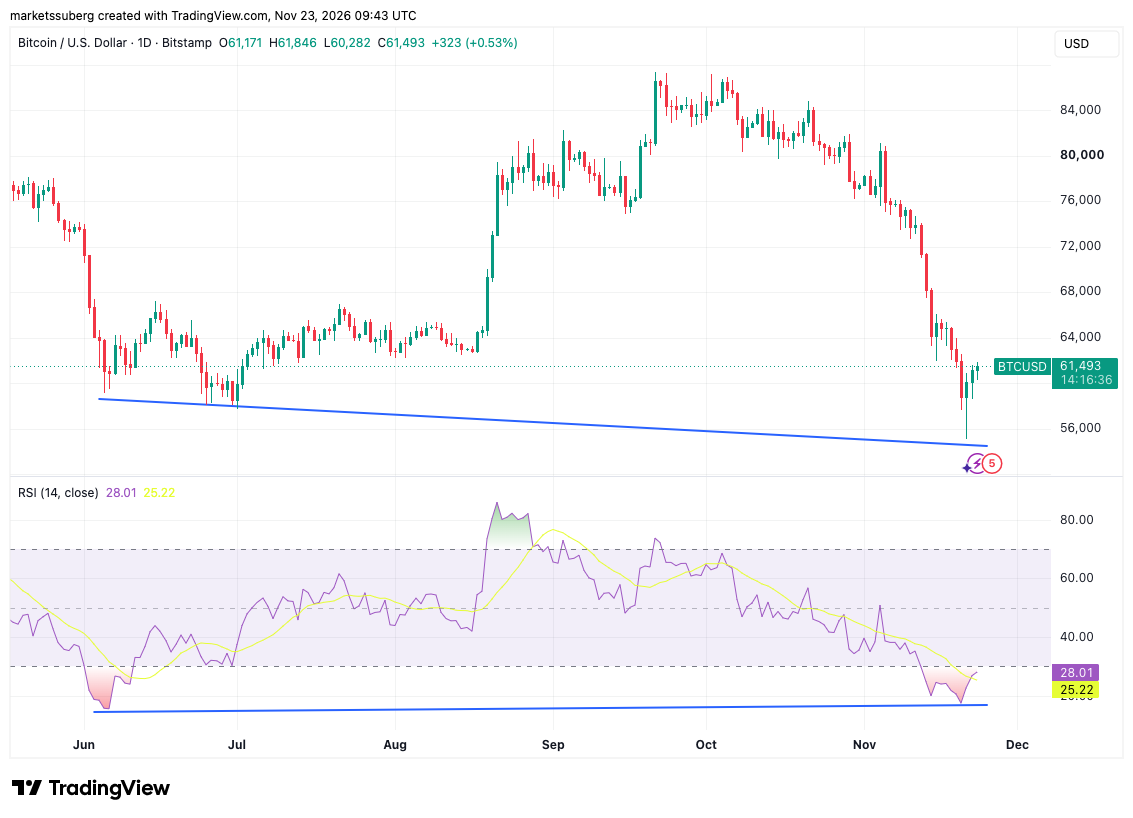
Bitcoin’s daily relative strength index fell to 17.4 on Saturday, above its year-to-date low of 15.5 in early June, producing what the report described as a tentative bullish divergence. At Saturday’s $55,081 low, Bitcoin was 56.3% below its October 2025 high of $126,200. That drawdown describes the low—not its position after Monday’s rebound.