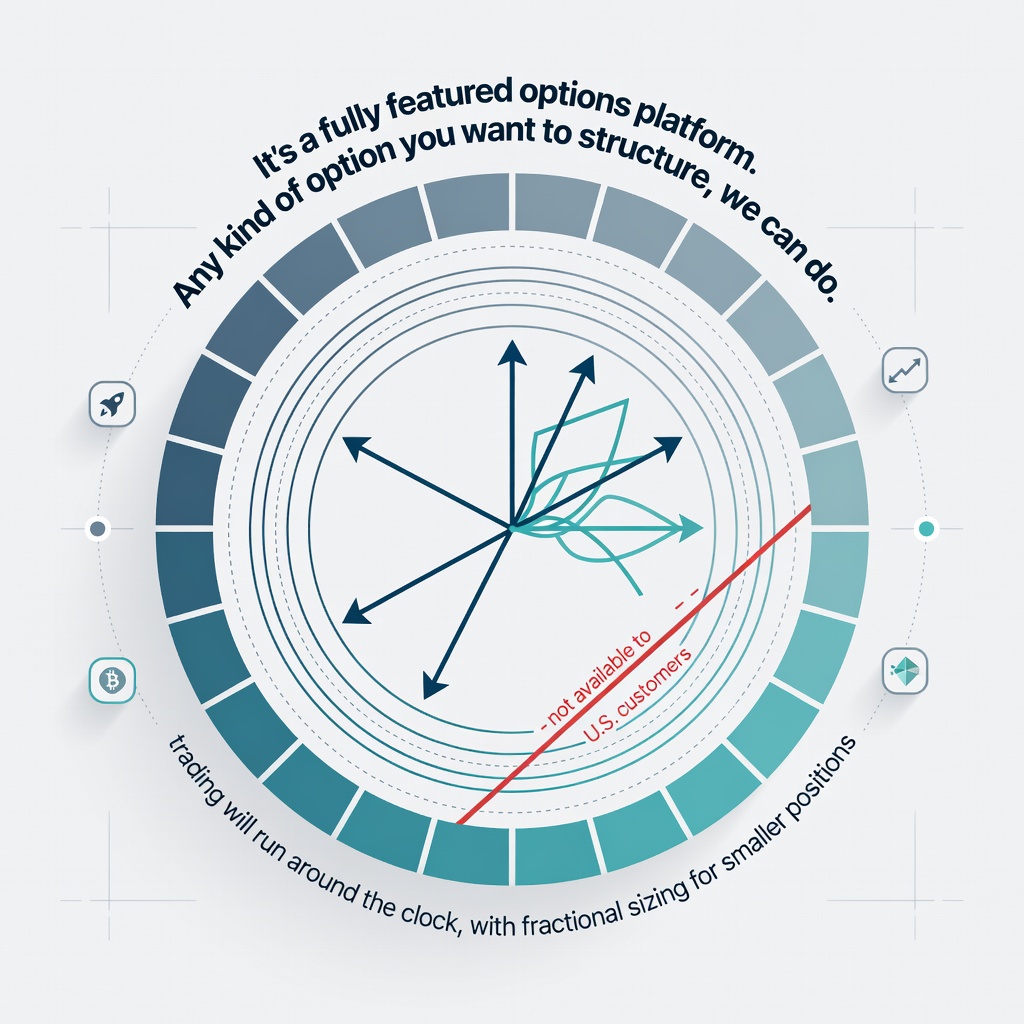
On November 6, 2026, The Block reported that Hypercall was preparing what it called the first options market tied to Anthropic ahead of an IPO. Founder Jake Sylvestre and growth and marketing head Dan Edlebeck told The Block that trading was expected to begin Monday. The contracts were set to trade around the clock, with fractional sizing for smaller positions, and would not be available to U.S. customers.
Cash-settled contracts, not shares
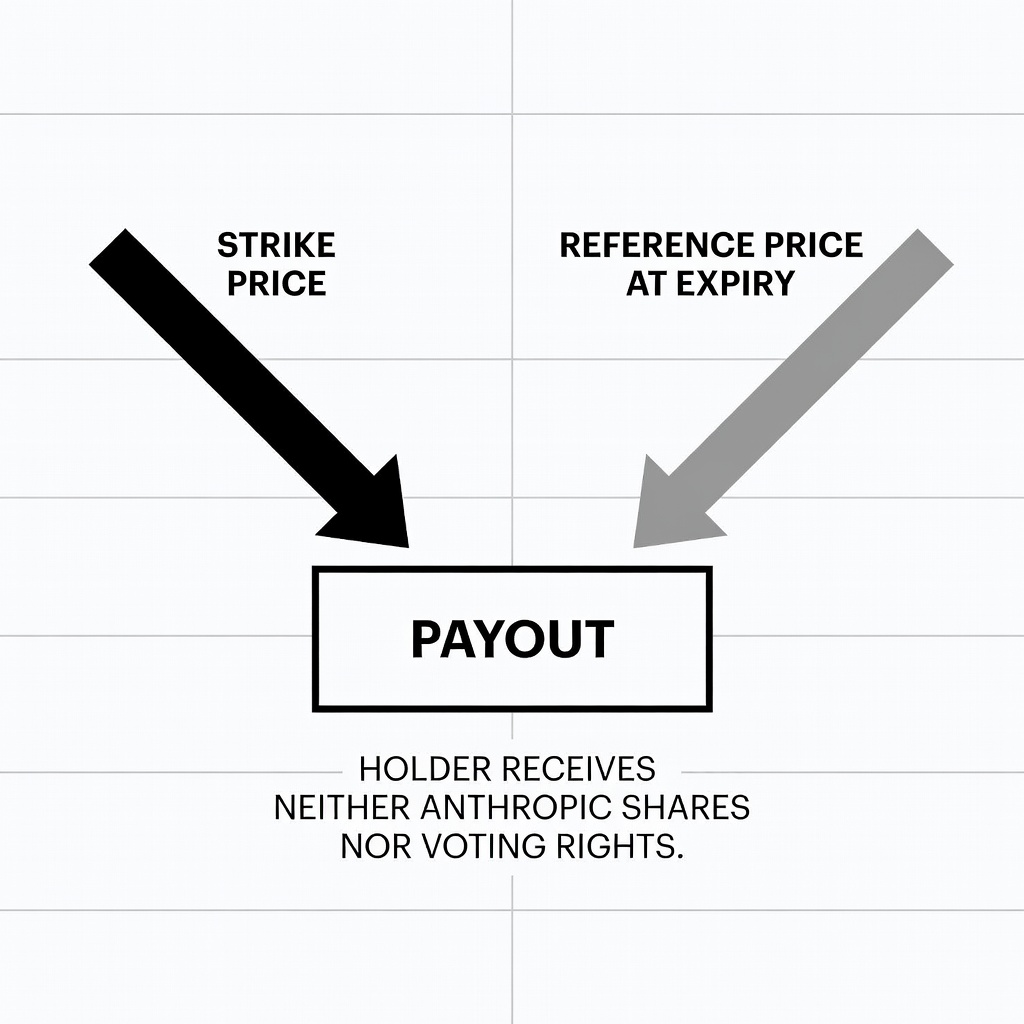
The options are synthetic, cash-settled derivatives. At expiry, a trader would not own Anthropic shares and would not receive voting rights. Payouts would be calculated from a contract’s strike price and a reference price. The launch would add options beside Anthropic-linked perpetual futures that were already available.
Sylvestre said Hypercall would support basic calls and puts — which he called “vanillas” — through more advanced spreads and strategies. “It’s a fully featured options platform,” he said. “Any kind of option you want to structure, we can do.”
Hypercall is built on Hyperliquid. The executives said existing Anthropic-linked perpetuals gave market makers a way to hedge the risk of selling options before the company’s shares traded publicly. Edlebeck tied that hedge to the timing: “We’re able to provide options on these assets before anyone else can.”
Hypercall already offered options tied to SpaceX and the S&P 500, as well as bitcoin (BTC) and ether (ETH), the executives said. Sylvestre had previously reported $536 million in options notional trading volume for September.
Listing odds and a sharp equity session
The rollout was reported as confidence weakened that Anthropic would list that month, or even before the end of 2026. On Polymarket, the chance of a November IPO fell from roughly 88% on Tuesday to as low as 51% by Thursday. The probability of a January 2027 debut rose from less than 1% to nearly 17%. That market had generated around $566,000 in trading volume.
A similar Kalshi market, with nearly $4.9 million in volume, put the chance of an IPO before December 1 at 60%, down from around 88%. Contracts on a debut before January 1 and February 1 traded at 63% and 85%, respectively.
Technology shares also sold off sharply that Thursday. The Nasdaq fell around 6% during the session amid growing concerns about AI infrastructure spending. Sylvestre said the backdrop had changed his concern about pricing the options, from a post-IPO rally to a potential slump. “People that market make options are really pricing volatility,” he said. “How fast it drops matters as much as how much it drops.”
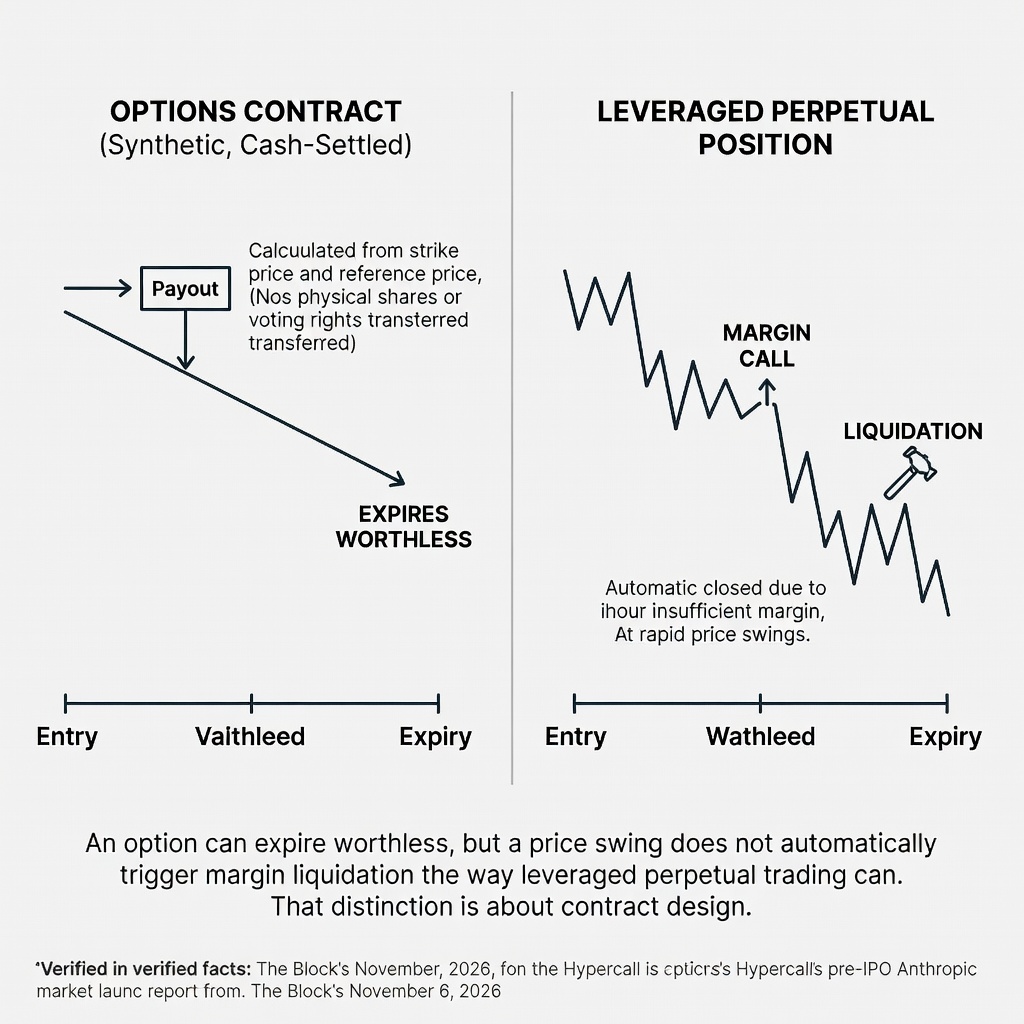
The reporting drew a mechanical line between products. An option can expire worthless, but a price swing does not automatically trigger a margin liquidation the way leveraged perpetual trading can. That distinction is about contract design. It is not evidence of liquidation flows in the new market.
What Anthropic had already filed
Anthropic filed its S-1 on October 26, with plans to list on the Nasdaq under the ticker ANT. The Claude developer reported $16.3 billion in first-half revenue and $9 billion in compute spending. Its prospectus said the five largest customers accounted for around 25% of revenue through the end of September.
The sequence in the November 6 report places the options plan, the hedge described by the executives, the prediction-market repricing, and the Nasdaq session next to one another. It does not show that weaker IPO odds caused the launch, or that the equity selloff set a path for the reference price.
Source: The Block, November 6, 2026